
More Than a Hobby
How Playing an Instrument Helps Fight Anxiety and Burnout


Modern life keeps the human brain overloaded almost constantly. Notifications arrive every few minutes, work follows people home through their phones, and even moments of rest are usually filled with more stimulation. Many people spend their days mentally exhausted yet unable to truly relax. Anxiety becomes background noise. Burnout becomes normal.
One of the most underrated ways to interrupt that cycle is learning to play a musical instrument.
Not consuming music passively while multitasking, but actually creating it. Sitting down with a guitar, piano, violin, or drum set forces the brain into a completely different state. For a while, the noise quiets down.
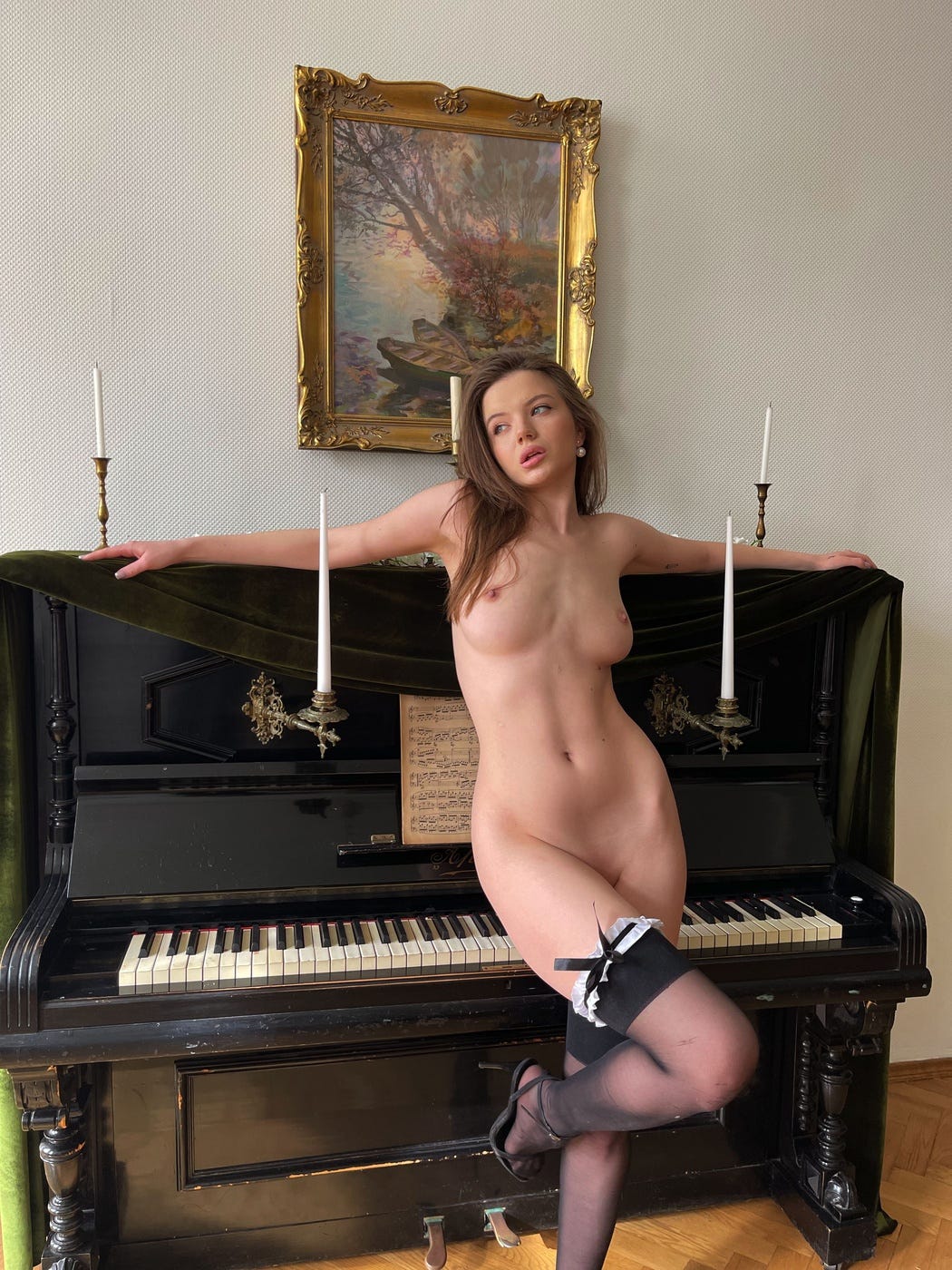

Music Pulls You Into the Present Moment
When someone plays an instrument, attention narrows naturally. The mind stops jumping between unfinished tasks and future worries because it has something immediate to focus on: rhythm, timing, movement, sound.

A chord progression or melody demands presence in a way few activities do. Anxiety tends to pull people into imagined futures, while burnout traps people under the weight of everything at once. Music temporarily pulls attention out of both.
This is part of why musicians often describe practice sessions as calming even when they are mentally demanding. The concentration required creates a kind of mental immersion where outside stress fades into the background. Hours can pass without the constant internal dialogue that usually dominates modern life.
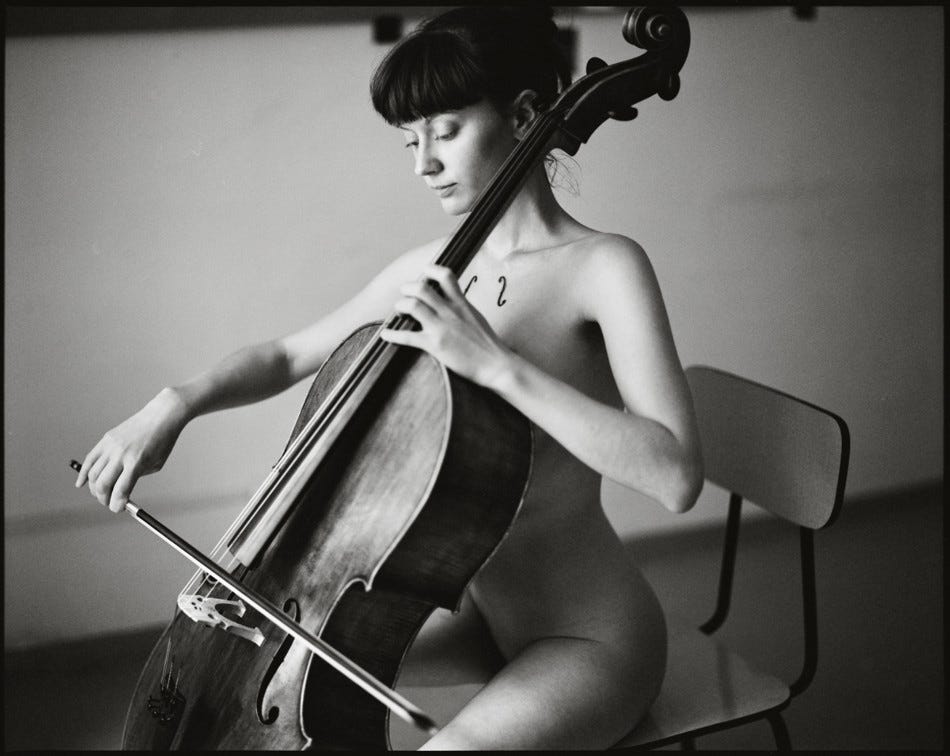

Music Gives Emotions Somewhere to Go
A surprising amount of stress comes from emotional buildup that never gets expressed properly. People carry frustration, sadness, tension, loneliness, and pressure without releasing any of it.
Playing an instrument creates an outlet that words often cannot provide. A slow piano melody can express exhaustion more honestly than conversation sometimes can. Aggressive drumming can release physical tension in a way that sitting still never will.

This emotional release matters because anxiety is not just mental — it is physical. Stress accumulates inside the nervous system. The body holds onto it through tight muscles, shallow breathing, restlessness, and fatigue. Music engages both the body and mind at the same time, helping regulate that tension instead of letting it continue to build.
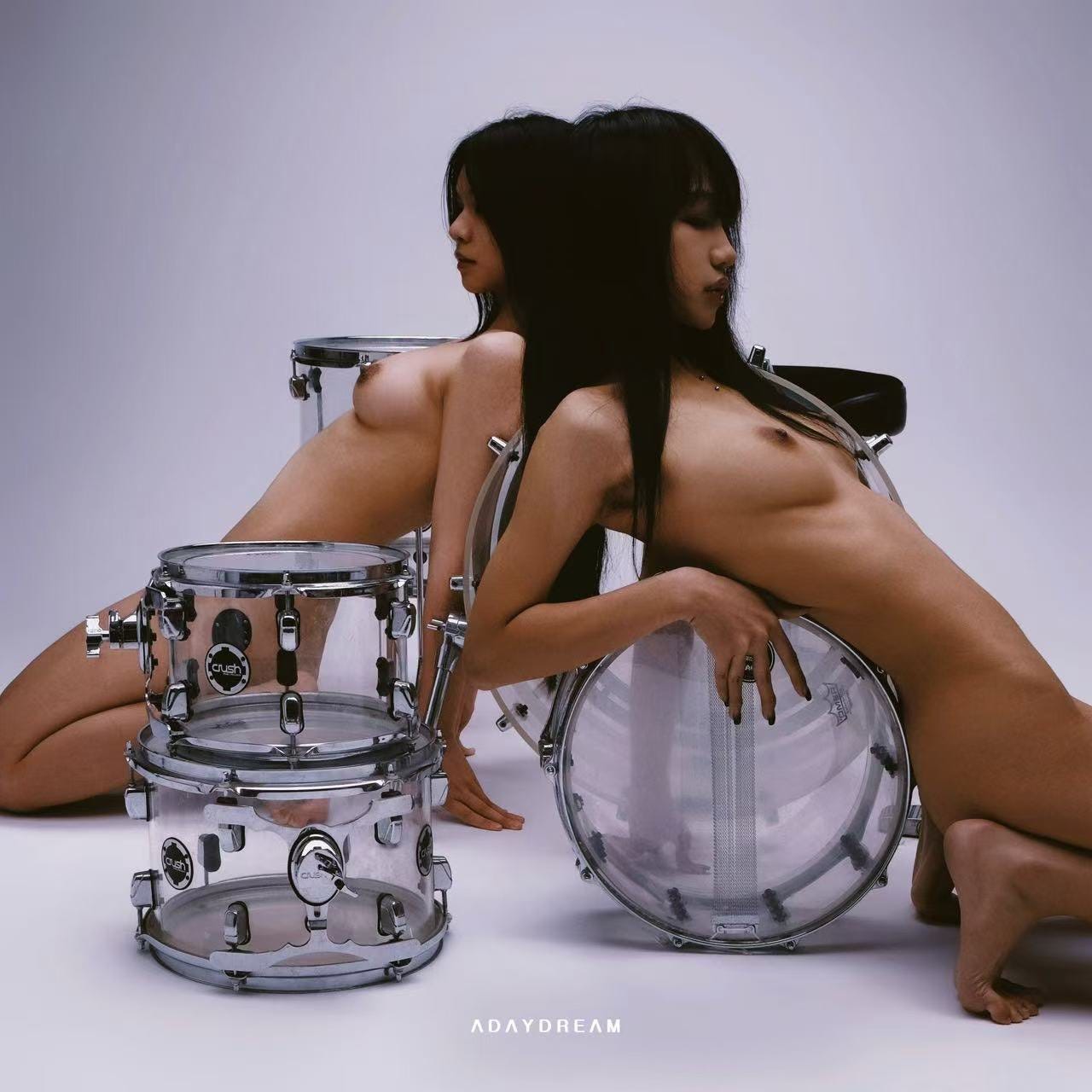
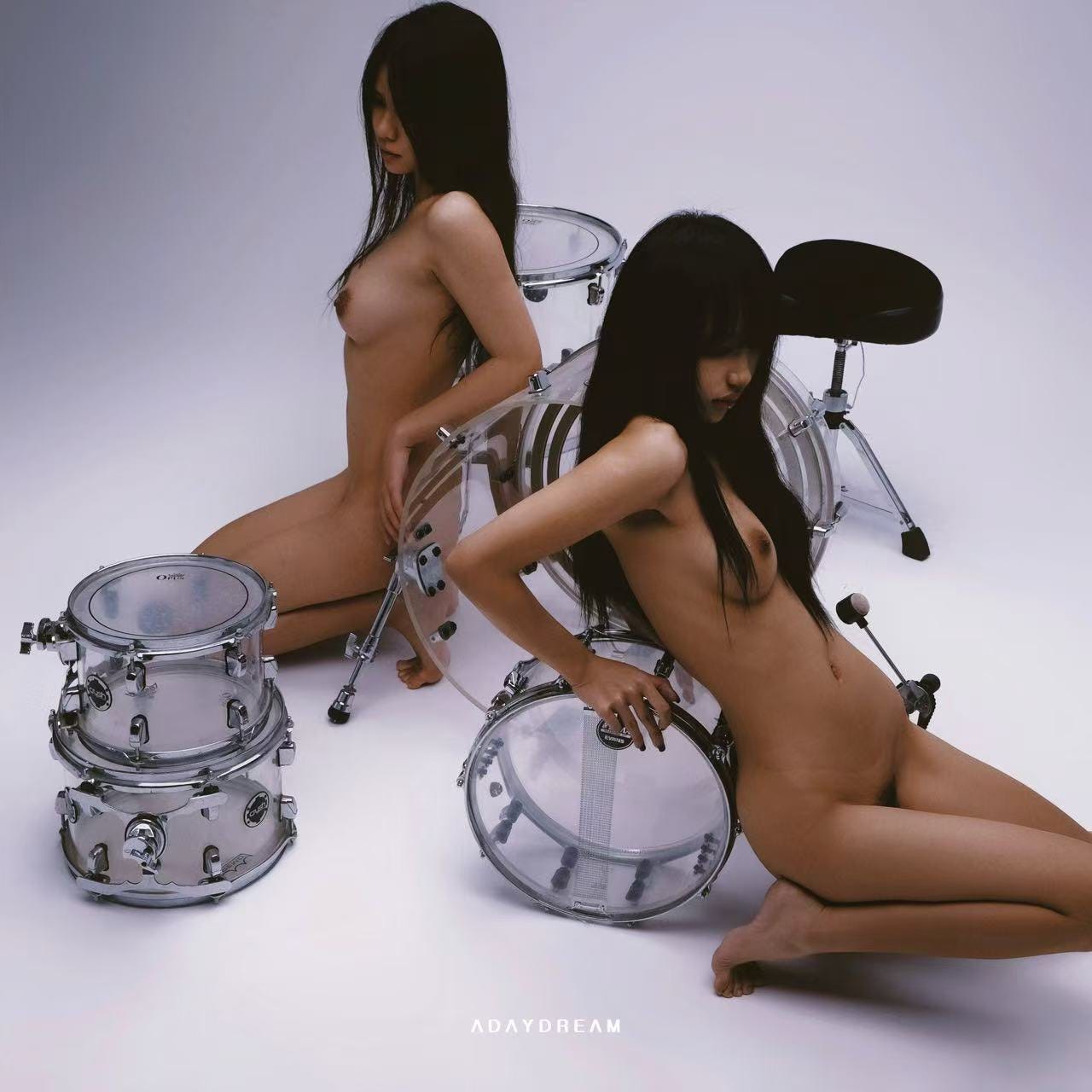
Repetition Helps Calm the Nervous System
There is something deeply soothing about repetition in music. Practicing scales, repeating chord transitions, or playing familiar songs creates predictable patterns that calm the brain.

Rhythm itself has a regulating effect on the nervous system. Breathing slows. Muscles relax. Thoughts become less chaotic. Many people unknowingly use rhythm to self-regulate already — tapping fingers, pacing, humming — because humans are naturally responsive to repetitive sound and movement.
Over time, practicing an instrument can become more than a hobby. It becomes a ritual. A protected space in the day where productivity, pressure, and digital noise temporarily lose control.


Music Replaces Passive Consumption With Creation
That matters especially in a culture where nearly every hobby has become passive. Most people try to recover from stress by consuming more content: scrolling social media, binge-watching shows, or endlessly refreshing feeds. But passive stimulation rarely creates genuine rest. In many cases, it leaves people even more mentally fragmented.

Playing music is different because it transforms someone from a consumer into a creator.
Even at a beginner level, there is satisfaction in producing sound with your own hands. The experience feels tangible and human in a way digital life often does not. There are no algorithms involved. No notifications. No performance metrics. Just gradual improvement through practice and attention.

Learning Music Rebuilds a Sense of Progress
Burnout often destroys a person’s sense of progress. Days begin to blur together and effort stops feeling rewarding.
Music reintroduces visible growth in small but meaningful ways. A chord that once felt impossible suddenly becomes natural. A difficult rhythm finally clicks. A song that sounded messy starts to flow smoothly.
These moments rebuild confidence because they remind people that patience still produces results.

One of the biggest misconceptions about learning music is the idea that talent matters most. In reality, many of the emotional and psychological benefits come long before mastery. Someone does not need to become an expert pianist to experience calm while practicing. They do not need perfect timing or natural ability to benefit from focused attention and emotional expression.
The process itself is the reward.




In a Burned-Out World, Music Feels Human Again
Even practicing for twenty minutes a day can create a noticeable shift in mood over time. Not because music magically eliminates anxiety, but because it gives the mind and body a healthier place to direct energy.

In a world that constantly pushes people toward speed, distraction, and exhaustion, playing an instrument offers the opposite experience. It slows attention down. It reconnects people with patience, creativity, and presence.
And for many struggling with anxiety or burnout, that reconnection can feel less like entertainment and more like recovery.







They are all masterpieces!
👏