
Art and the Vulva
How Creators are Reclaiming Anatomical Imagery to Fight Body Dysmorphia

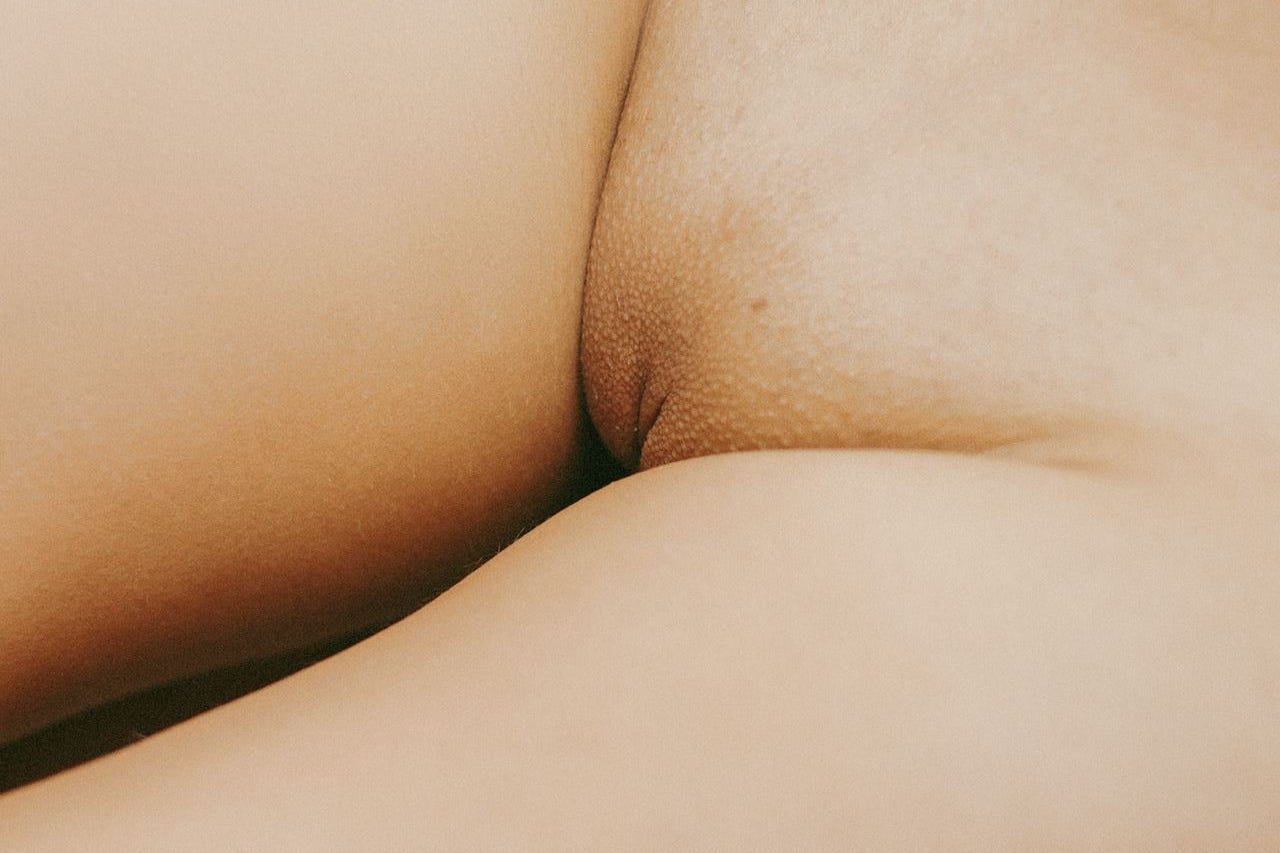
For centuries, the representation of female anatomy in art has been a battlefield. Historically, it has been hidden in shame and weaponized as pornography. This lack of authentic, diverse representation has contributed significantly to a quiet epidemic of genital anxiety and body dysmorphic disorder (BDD) among women.
However, a powerful cultural shift is underway. A new generation of artists, sculptors, and activists is reclaiming this imagery, moving it from the shadows into the light of galleries, books, and social media. Their mission is not just aesthetic; it is therapeutic and political. By flooding the cultural lexicon with accurate, varied, and beautiful representations of the vulva, they are dismantling taboos and providing a vital antidote to body dysmorphia.
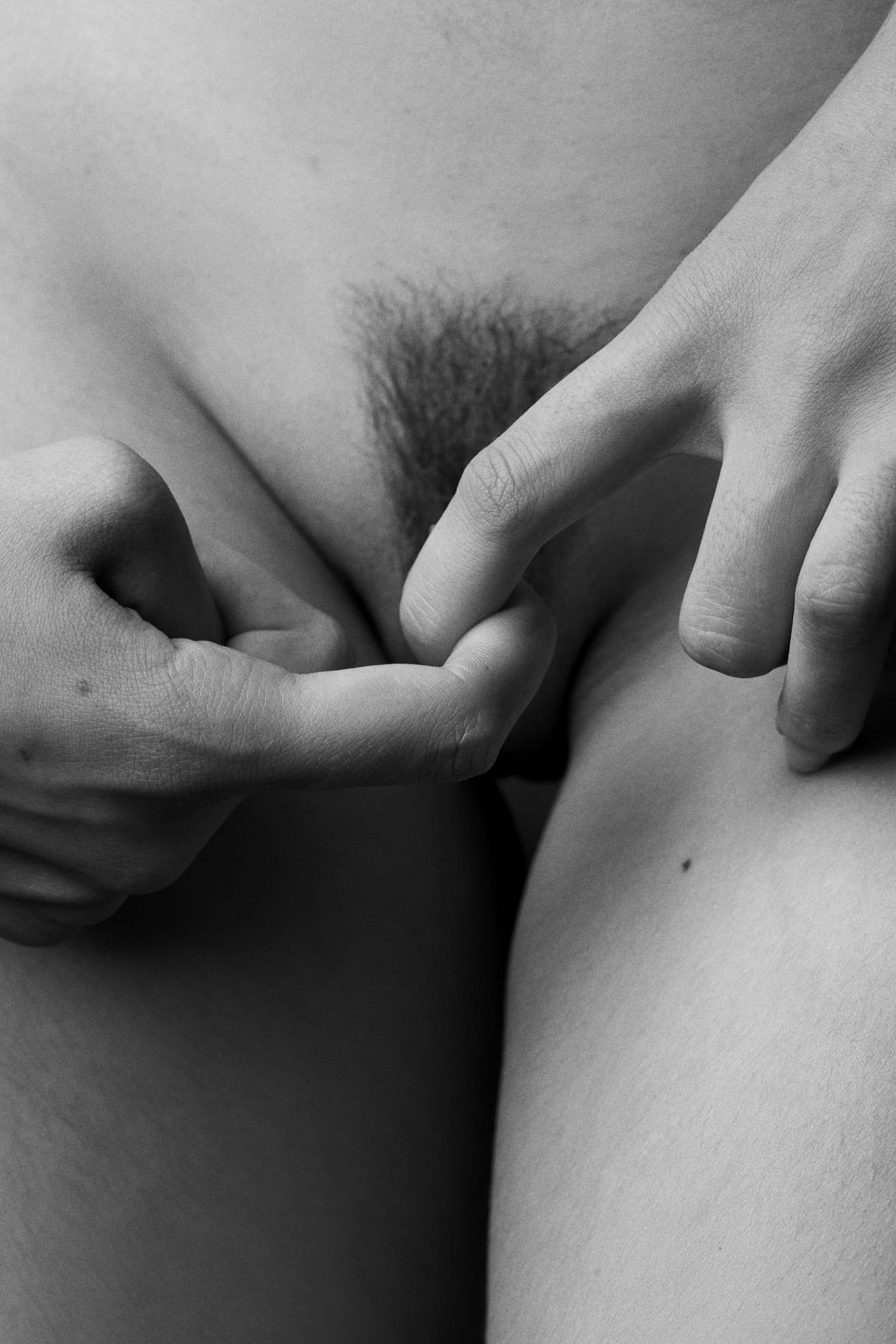
The Vacuum of Representation and the Rise of Anxiety
To understand the power of this new art movement, we must first acknowledge the damage caused by centuries of censorship. “For too long, the only visual references for our own bodies have been medical textbooks, which are sterile, or pornography, which is often highly stylized and unrepresentative of the general population,” says Dr. Elena Russo, a sociologist specializing in gender and body image. “This creates a vacuum where comparison thrives. People ask themselves, ‘Do I look normal?’ because they have no baseline for what ‘normal’ actually is.”
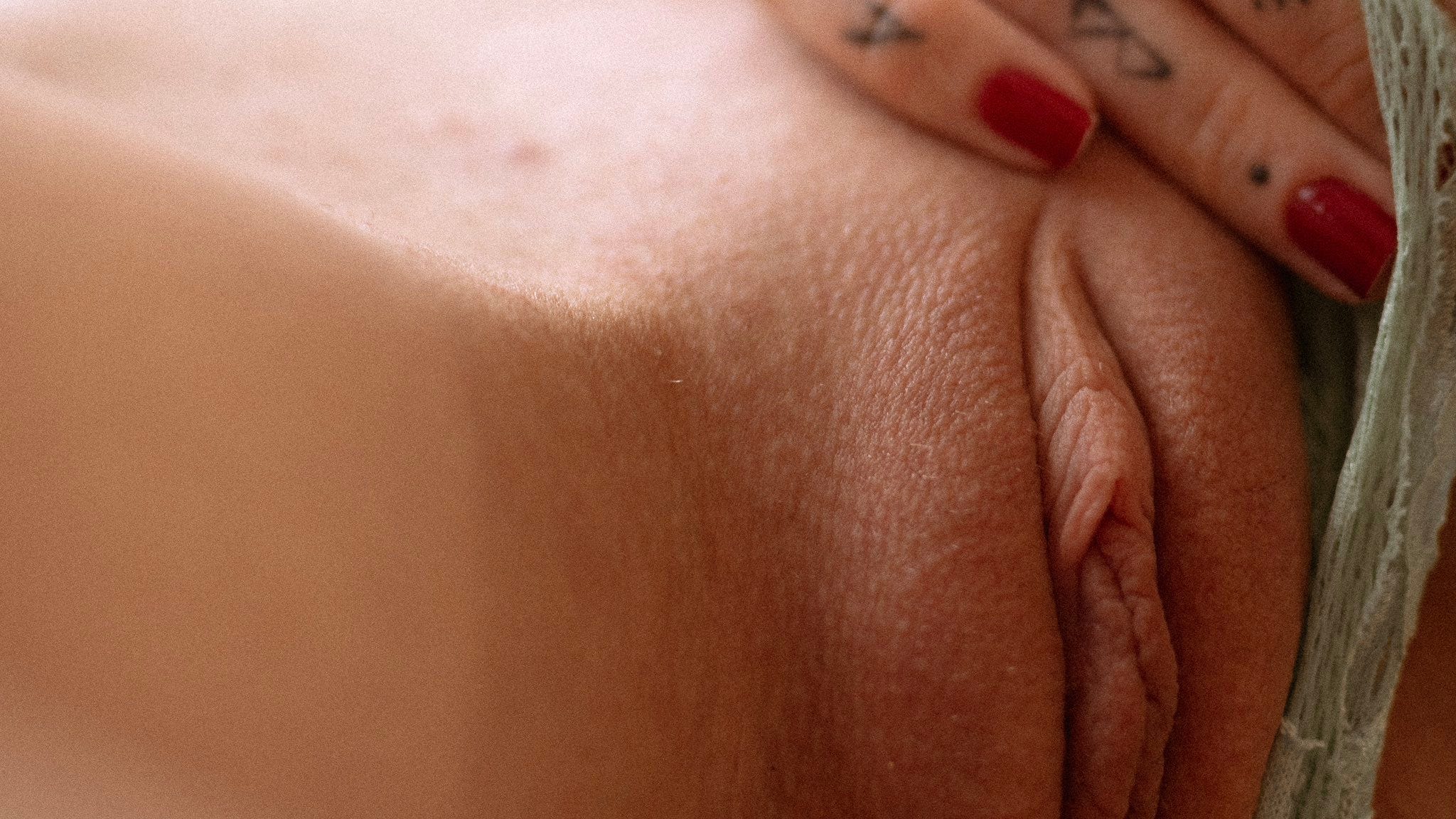
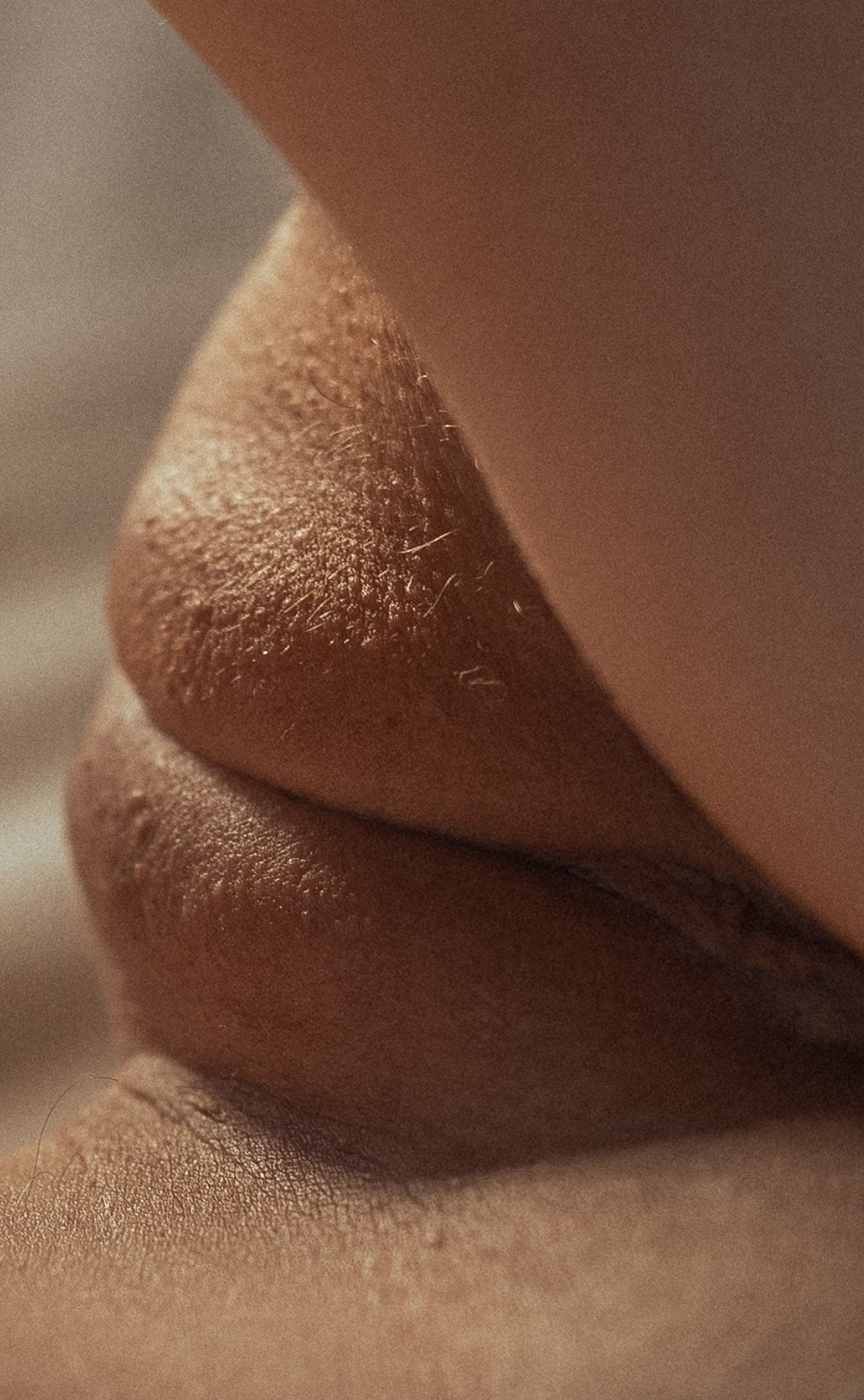
This anxiety is fueled by a cosmetic industry that has successfully marketed “feminine hygiene” products by associating natural scent and appearance with shame. In recent years, this has escalated into a rise in requests for labiaplasty—surgical alteration of the labia—often driven not by medical necessity but by a perception that one’s natural anatomy is flawed. This is a classic hallmark of body dysmorphia: an obsessive focus on a perceived flaw in appearance that is not observable or appears minor to others.
Art as Radical Self-Acceptance
This is where art steps in. Contemporary creators are using their medium to fill the vacuum of representation with a radical, inclusive, and diverse portrait of human anatomy.
The Power of Scale and Multiplicity: Jamie McCartney
One of the most defining works in this movement is Jamie McCartney’s The Great Wall of Vulva. This monumental sculpture is a ten-panel, 30-foot-long wall composed of 400 plaster casts of real vulvas. The sheer scale of the piece forces viewers to confront the sheer variety of human anatomy.
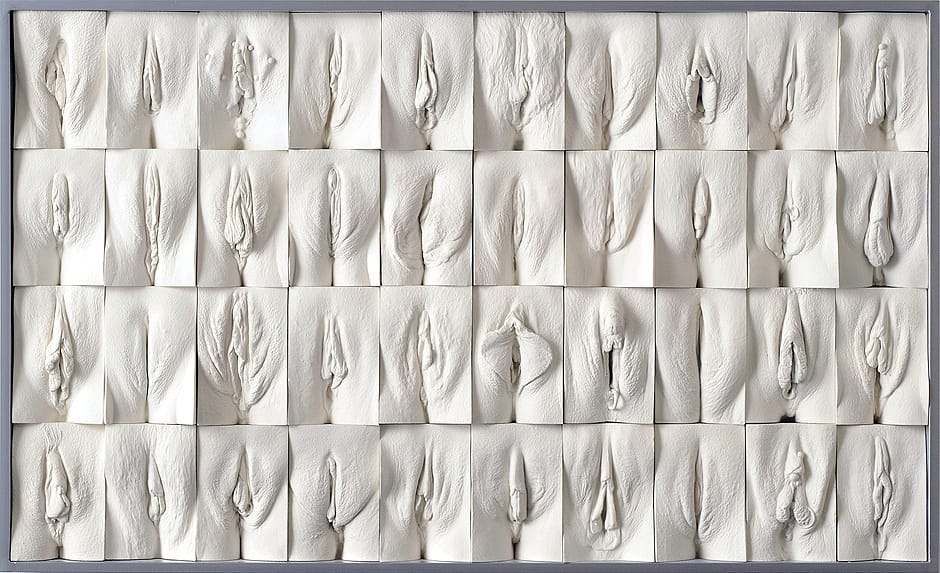
“The purpose of the wall is to end genital anxiety,” McCartney has stated. By placing hundreds of vulvas side-by-side, he demonstrates that “normality” is not a single point, but a vast spectrum. Labia minora that protrude, labia majora that are asymmetrical, variations in color, texture, and shape—all are presented without judgment. For many viewers, seeing their own anatomy reflected in a work of art for the first time is a moment of profound catharsis and normalization.
Normalization Through Narrative: The Vagina Monologues and Beyond
While visual art provides immediate impact, narrative art offers depth and context. Eve Ensler’s groundbreaking play, The Vagina Monologues, first performed in 1996, was a turning point. By giving women a platform to talk openly about their bodies—discussing everything from menstruation and birth to sexual pleasure and abuse—it began to dismantle the secrecy that fuels dysmorphia.
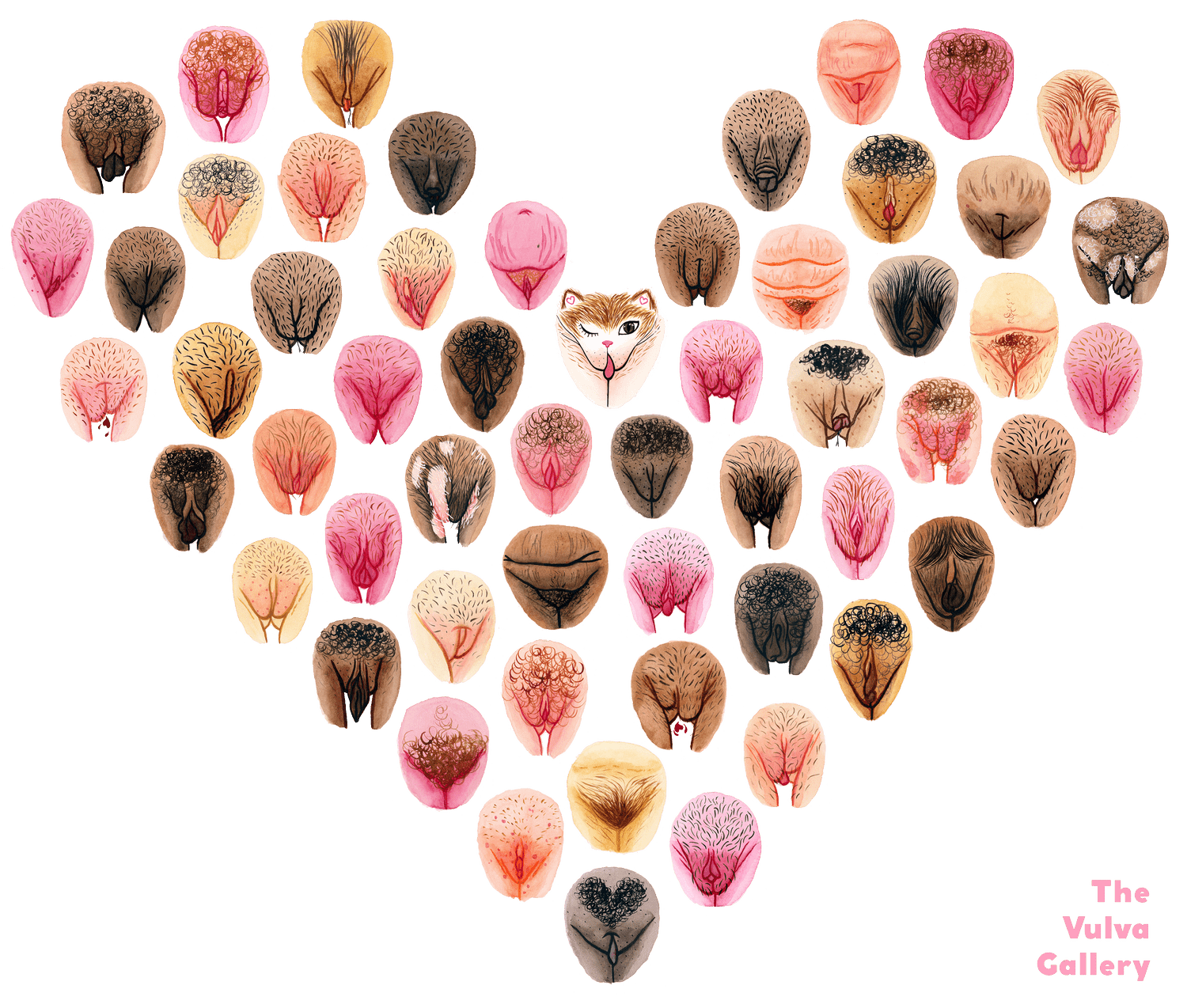
Today, this narrative reclamation continues in digital spaces. Projects like The Vulva Gallery, an online educational platform, pair stylized illustrations of vulvas with personal stories from contributors. This approach humanizes the anatomy, connecting visual appearance to lived experience, emotional health, and identity. It shifts the question from “Do I look right?” to “This is my body, and this is my story.”
Fighting Dysmorphia One Image at a Time
The therapeutic potential of this art cannot be overstated. By normalizing a wide range of anatomical structures, these artists are directly challenging the cognitive distortions that characterize body dysmorphia.

“Dysmorphia often involves a ‘tunnel vision’ where a person fixates on a specific part of their body and amplifies its perceived flaws,” explains Dr. russo. “Exposure therapy, which includes seeing diverse, realistic images, can help de-catastrophize these perceptions. When you see that hundreds of other people share your ‘flaw,’ it stops being a flaw and starts being a variation.”
The movement also acts as a vital counter-offensive to the “one-size-fits-all” beauty standard promoted by pornography and marketing. It reclaims the right to define one’s own body as beautiful, capable, and normal, without needing outside validation or surgical intervention.

The Future: Continued Reclamation
The fight against body dysmorphia is ongoing, but the artistic reclamation of the vulva is a powerful new weapon. As these images become more commonplace, the associated shame and anxiety will continue to decrease.

The goal is not to force everyone to adore their anatomy, but to remove the heavy burden of shame. This art movement is building a world where people can look at their own bodies and, perhaps for the first time, not see a flaw to be fixed, but a unique and natural part of themselves. It is a world where knowledge truly is power—the power to accept oneself.
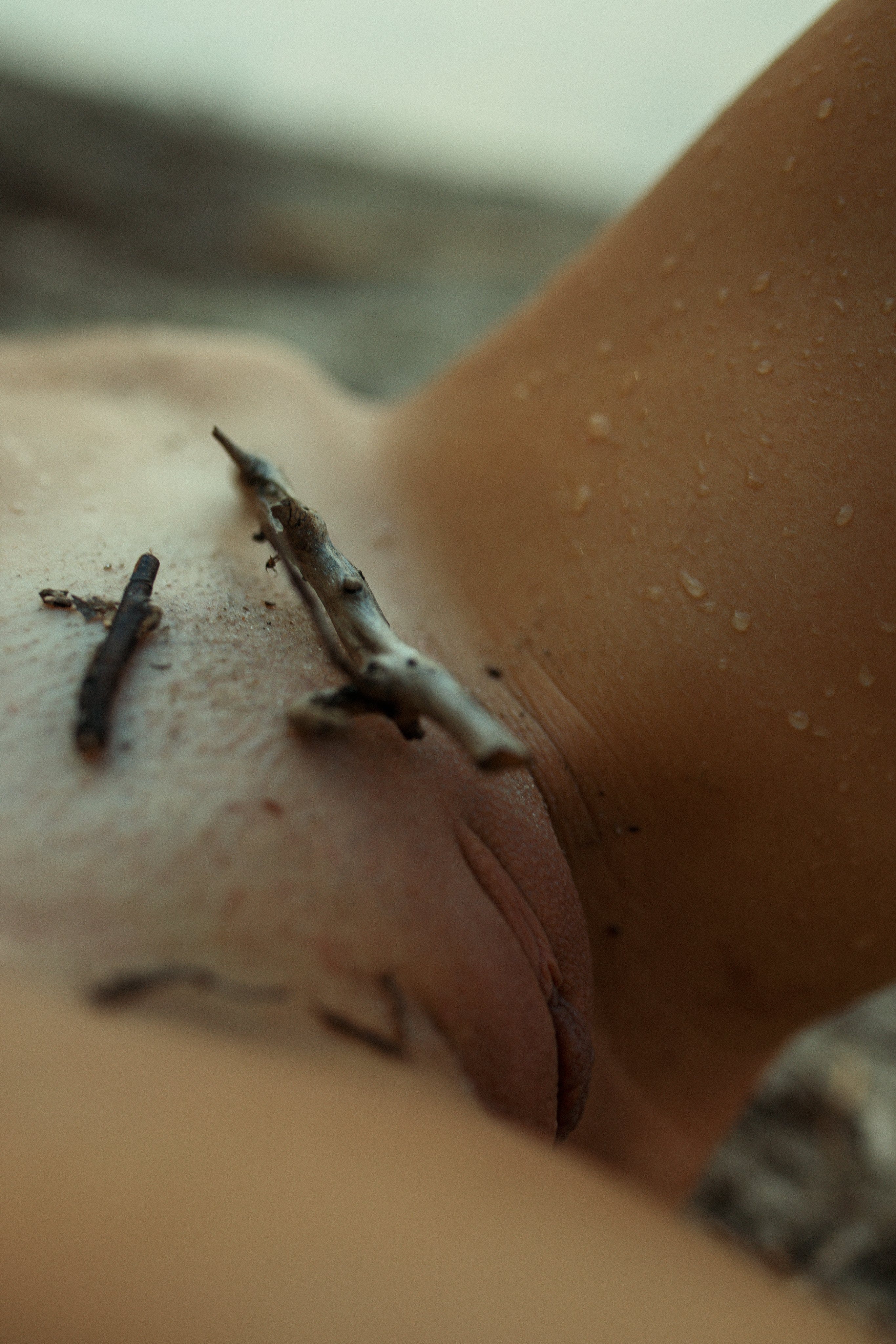

This is bigger than art. It’s reclamation. Beautiful and deeply needed 🌊
I started a photo series like this in like 2009 that fell through after months of gathering. My external hard drive crashed and I lost all my work. I do have a smaller resolution capture on my phone that I still hold onto. Mine was a single photo collage very similar to the cast one you referenced, as it was my motivation. Anyways, thanks for sharing and your continued documentation of your work.