
The "Slow Blink" Bridge
The Neuroscience of Feline Eye Contact

For decades, the domestic cat (Felis catus) was unfairly labeled as the “aloof” counterpart to the socially transparent dog. While dogs greet us with full-body wiggles and frantic tail wags, cats offer a language of subtlety—a flick of a whisker, a curl of a tail, or, most mysteriously, a heavy-lidded stare.
Recent breakthroughs in feline ethology have finally cracked the code on one of their most profound social gestures: The Slow Blink. Far from being a sign of sleepiness, this “feline smile” is a sophisticated neurological bridge that connects the human and feline minds.

The Evolutionary “Why”: Why Staring is a Weapon
To understand the slow blink, we must first understand the Direct Stare. In the wild, cats are both mesopredators (they hunt) and prey (they are hunted). In both scenarios, a fixed, unblinking gaze is a tactical tool.

For the Predator: It is “visual locking,” used to track every micro-movement of a bird or rodent.
For the Prey: It is a challenge. If two strange cats meet, the one who breaks the gaze first is often the one who retreats. A stare is a precursor to a pounce.
By evolving the Slow Blink, domestic cats found a way to “disarm” their visual weaponry. By intentionally closing their eyes in the presence of another, they are providing a biological “Proof of Trust.” They are essentially stating that they are so certain you won’t attack them that they are willing to turn off their primary survival sense.
The Sussex Study: Science Confirms the “Smile”
In 2020, researchers at the Universities of Sussex and Portsmouth conducted the first formal experiments on this behavior. The study, published in Scientific Reports, broke the interaction into two distinct phases of discovery.
The Owner’s Influence
The researchers found that cats were significantly more likely to slow-blink at their owners if the owners had initiated a slow-blink first. This suggests that cats are not just “doing their own thing,” but are actively engaged in social mirroring with humans. They are reading our facial cues and matching our energy.

The Stranger Test
In the second experiment, a stranger (someone the cat had never met) sat near the cat. The strangers who practiced the slow-blink technique were more likely to be approached by the cat than those who maintained a neutral expression. This proves the slow blink acts as a social lubricant, effectively lowering the cat’s “stranger danger” threshold and inviting interaction.
Inside the Feline Brain: Neurochemistry and Fear
What happens inside a cat’s head when those eyelids drop? It’s a transition from the Sympathetic Nervous System (fight or flight) to the Parasympathetic Nervous System (rest and digest).
The Amygdala and the “Safe State”
The amygdala is the brain’s alarm bell. In a tense encounter, the amygdala fires rapidly to prepare the animal for a threat. However, during a slow-blink exchange, heart rates have been observed to stabilize. The brain acknowledges a “socially safe” environment, likely triggering a release of oxytocin—the hormone responsible for bonding, trust, and maternal care.
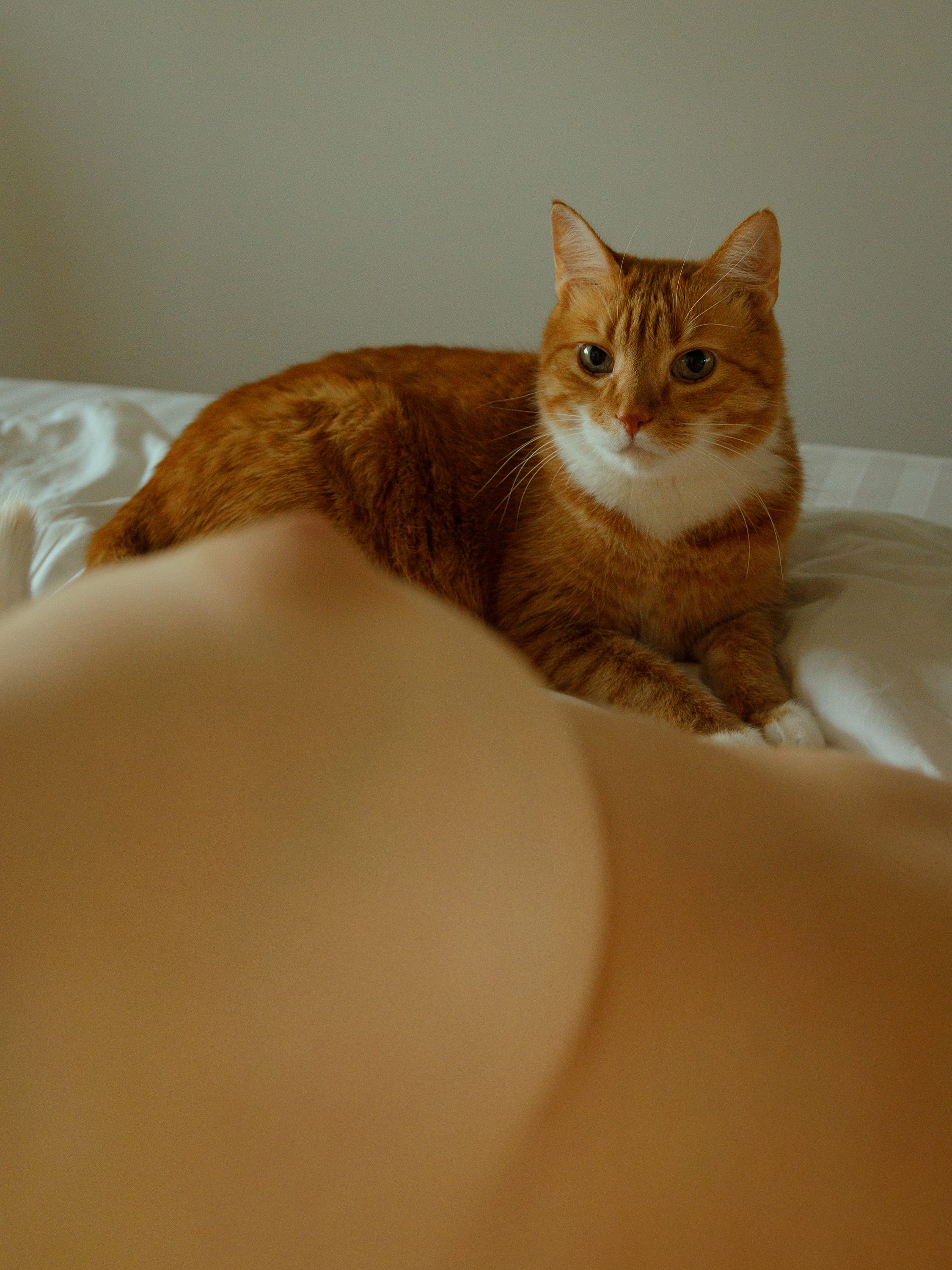
The Mirror Neuron System
Like humans, cats likely possess mirror neurons. These are cells that fire both when an animal acts and when the animal observes the same action performed by another. When you blink at your cat, their mirror neurons “rehearse” that state of relaxation. By seeing you look calm, the cat’s brain physically mimics that calm, creating a shared emotional state.
4. The Anatomy of a Perfect Slow Blink
If you want to use this neuroscience to bond with a cat, you must master the three-stage process. It is more than just closing your eyes; it is a full-face communication that requires intentionality.

First, you must Soften the Face. Relax your forehead and brow, making sure you don’t have the “predatory” tension of someone focused on a target. Next comes The Narrowing, where you slowly bring your lids to half-mast. This signals to the cat that you are intentionally reducing your visual intake.
Finally, perform The Seal. Close your eyes fully for a full second, then open them slowly and look slightly away. This final “look away” is vital—it breaks the intensity of the gaze and confirms you aren’t “hunting” them.
5. Why This Matters for Modern Cat Owners
Understanding the neuroscience of eye contact changes the way we cohabitate with felines. For Shelter Rehabilitation, the slow blink is the first step in showing traumatized cats that humans aren’t predators. It’s a non-invasive way to build a bridge without touching a cat that isn’t ready for physical contact.
In the context of Veterinary Care, using the slow blink in a high-stress clinic environment can help lower a cat’s cortisol levels, making the examination safer and less terrifying. For the average pet owner, it’s a reminder that communication isn’t always about commands or treats. Sometimes, the deepest conversation you can have with your cat happens in total silence, across a sun-lit living room.
Conclusion: The Power of Vulnerability
The slow blink is a beautiful paradox: it is an act of vulnerability that creates a position of strength in a relationship. By “blinding” themselves for a moment, your cat is inviting you into their inner circle. The next time your cat looks at you and slowly narrows those golden eyes, remember—you aren’t just being watched; you’re being loved.

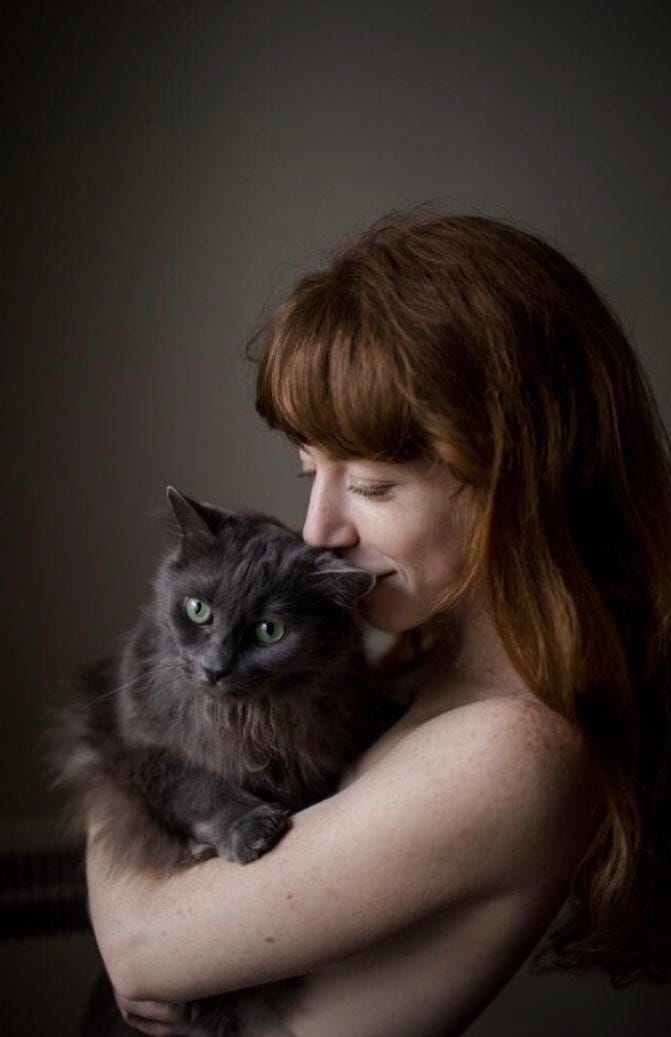
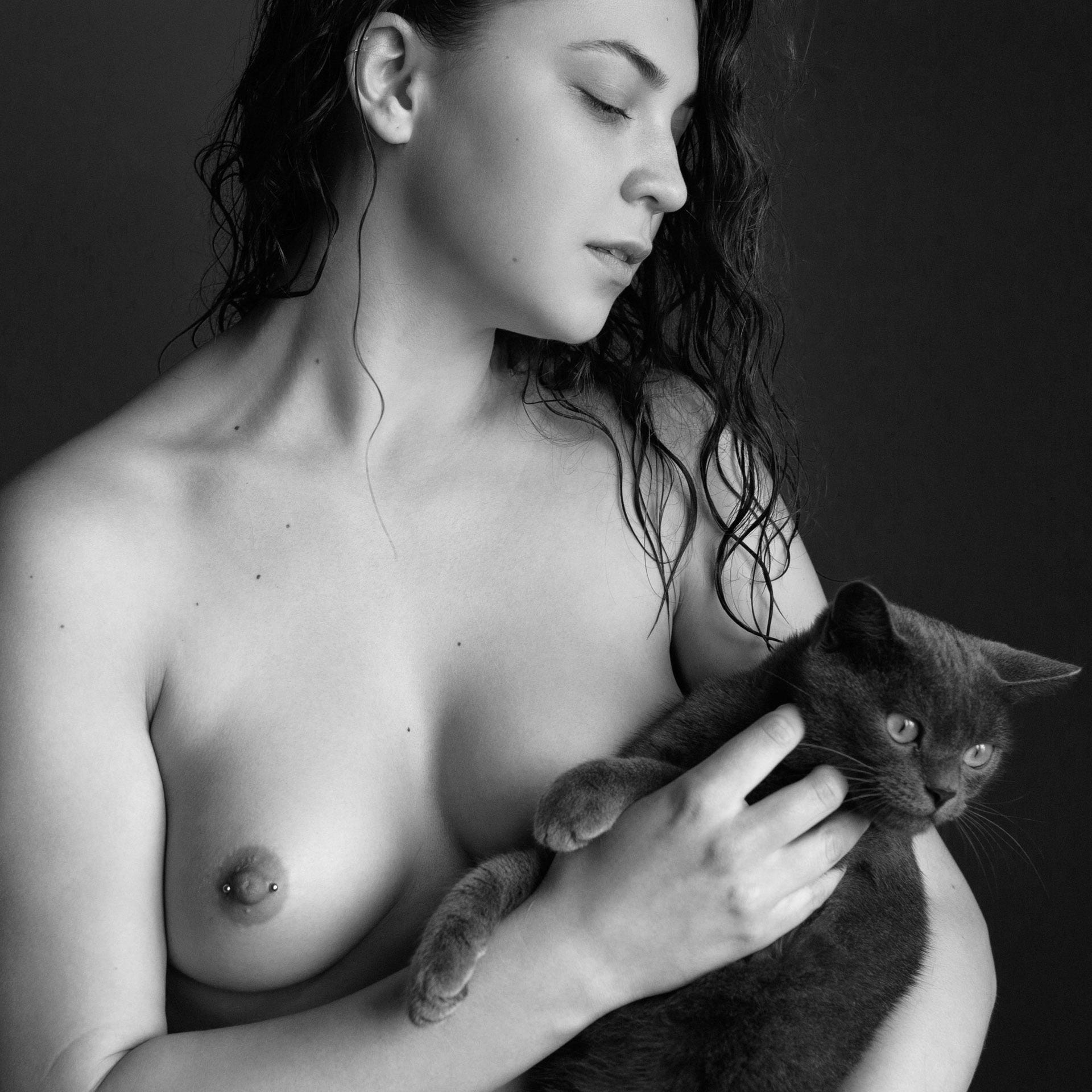
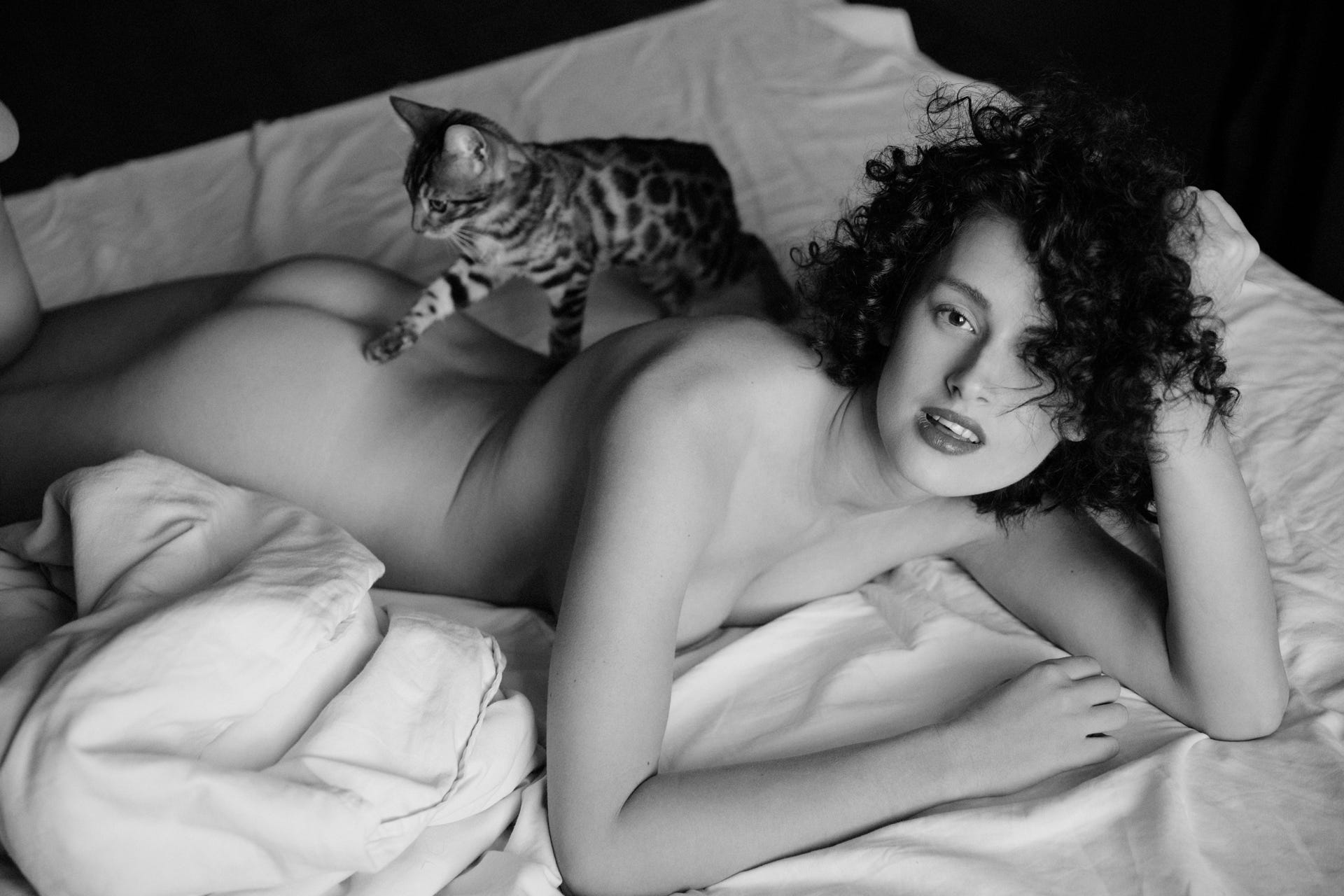
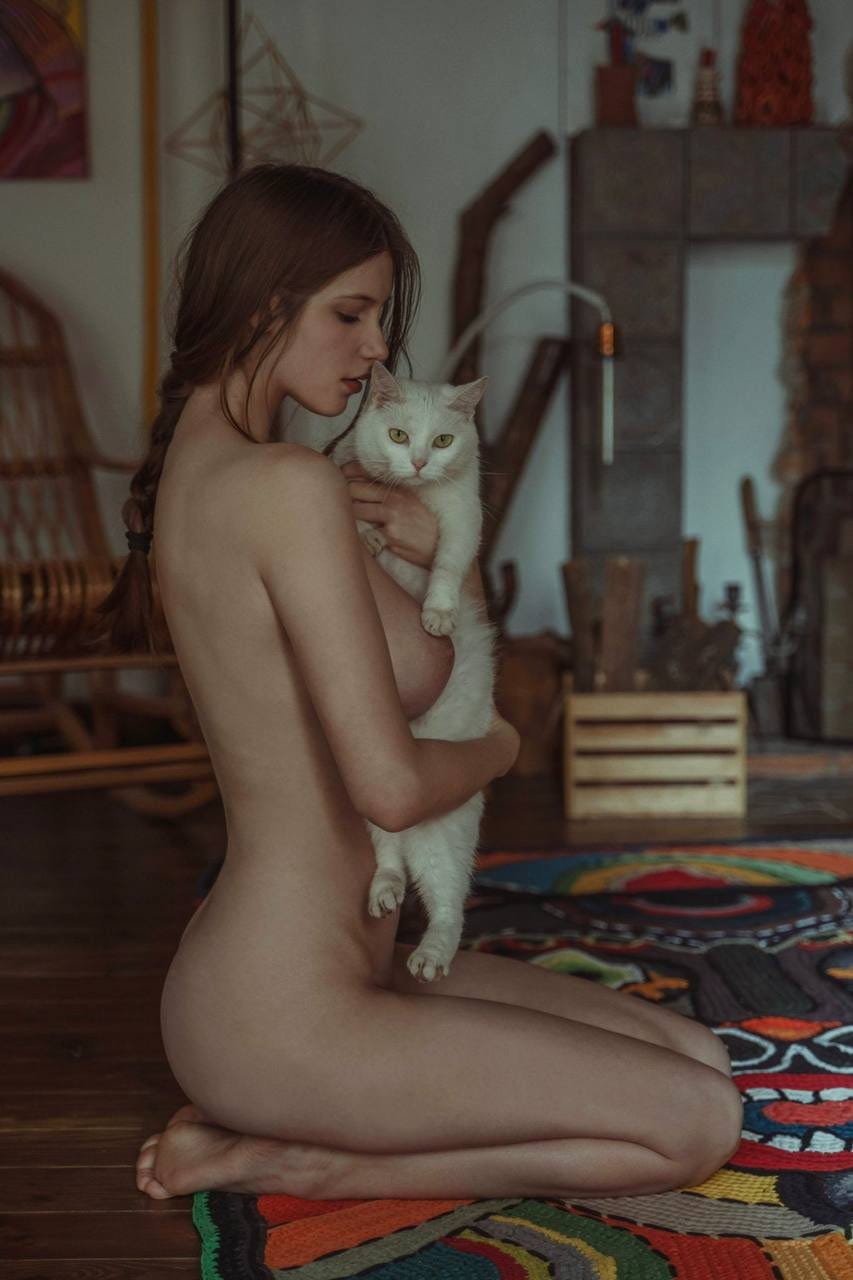
Every photo was magnificent. So enjoyed seeing pictures of beautiful women and cats.
Meao Now